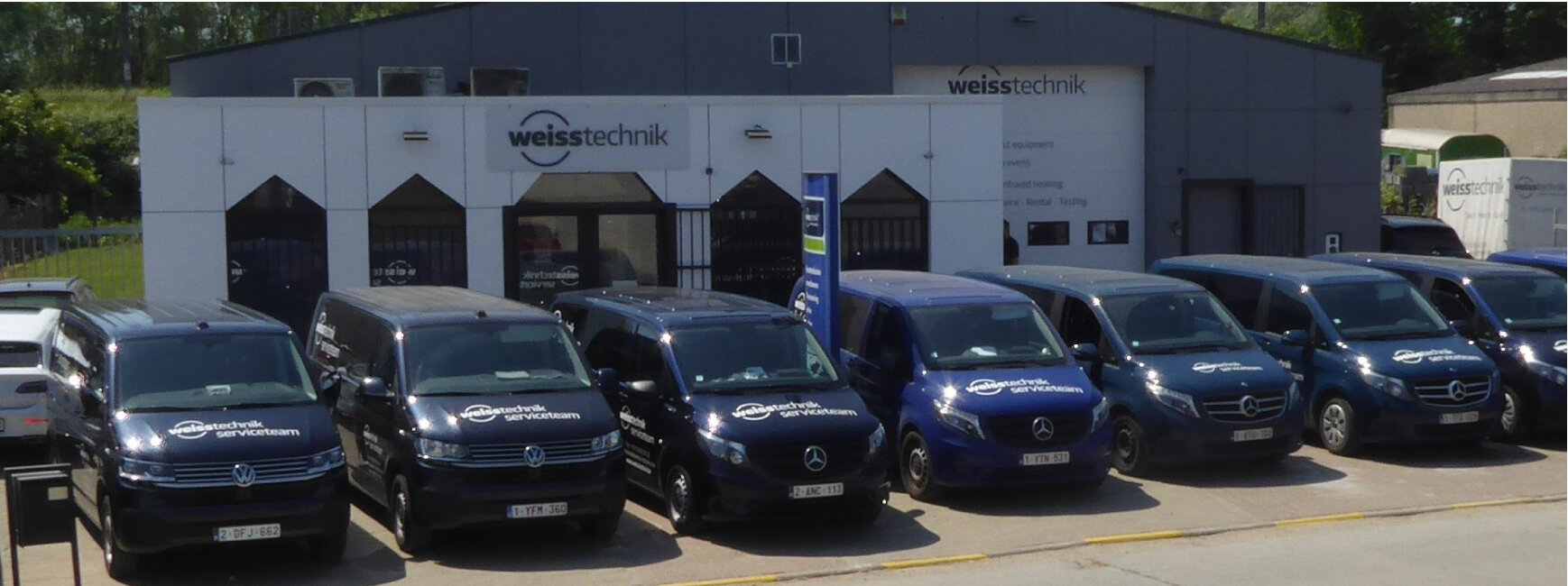
Weiss Technik Belgium is gevestigd in Liedekerke (E40 - afrit Affligem).
Weiss Technik Belgium, uw specialist voor klimaattestapparatuur en industriële ovens en infrarood opstellingen.
Weiss Technik Belgium is expert in klimaatsimulatie, warmtetechnologie en air solutions. Naast verkoop en service op onze toestellen, bieden wij eveneens verhuur aan. Ook bij ons komen testen (klimaatkasten, ovens en IR-modules) behoort tot de mogelijkheden. Onderhoud op uw toestellen: Ons Service Team in Liedekerke schafft das.
Onze Competentie
De 4 pijlers van Weiss Techniek Belgium
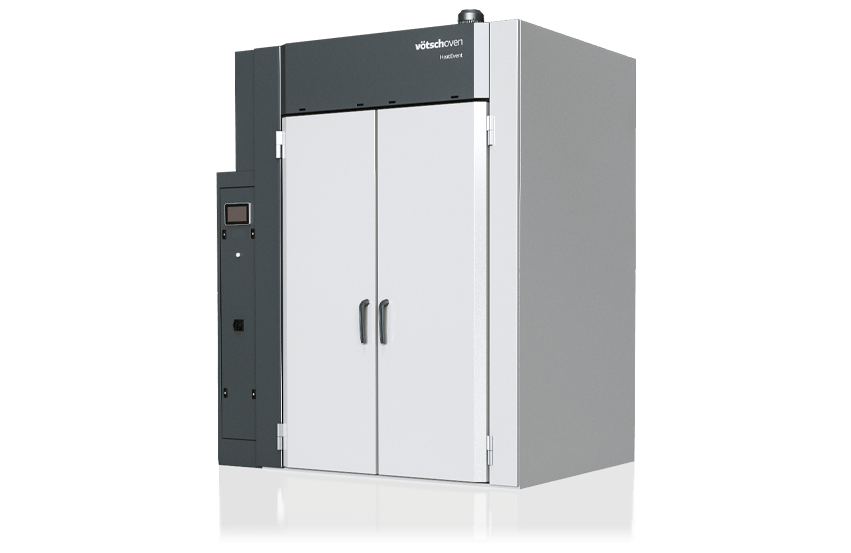
Warmtetechnologie: Labovens, Droogovens, Industriële Convectieovens, Vacuümovens,…;
Klimaatsimulatie: Klimaatkamers en Klimaatkasten (temperatuur, vocht, wet corrosion, dry corrosion, luchtdruk, zonlicht,…);
Infraroodtechnologie: Weiss Technik Belgium is hét Infrarood competentiecentrum van de Weiss Technik Group;
Service: De ruim 2500 installaties met een onderhoudscontract getuigen van het vertrouwen dat onze klanten in onze producten en diensten stellen.